Thinking about starting an online business in India but don’t know where to begin? Maybe you already sell clothes, jewellery, beauty products, or home decor through Instagram and WhatsApp. Now you want your own online store where customers can browse products and place orders directly.
The good news is that you don’t need coding knowledge or a huge budget to get started.
But launching a successful ecommerce business takes more than creating a website. You need the right products, pricing, payment options, delivery process, and a way to attract customers.
This guide explains how to start an online business in India, from your first business idea to launching an ecommerce website and getting your first sale.
Why Start an Online Business in India?
Online shopping is becoming part of everyday life across India.
According to the India Brand Equity Foundation (IBEF), India’s ecommerce market was worth approximately US$125 billion in 2024 and is projected to reach US$345 billion by 2030.
Customers are shopping online for everything from fashion and electronics to groceries and home essentials.
For small businesses, this creates an opportunity to sell beyond their physical location.
A clothing shop in Mumbai, for example, can accept orders from customers in Pune, Delhi, or Bengaluru through its ecommerce website.
However, demand alone doesn’t guarantee success. You still need a clear business plan.
1. Choose What You Want to Sell Online
Your first decision is choosing a product people actually want to buy.
Some popular ecommerce business ideas in India include:
- Women’s clothing and ethnic wear
- Artificial jewellery and fashion accessories
- Beauty and skincare products
- Home decor and handmade gifts
- Mobile accessories and electronics
Don’t select a product simply because it’s trending.
Check its demand, competition, sourcing cost, and potential profit margin.
For example, if you’re planning to sell kurtis, research popular fabrics, sizes, customer preferences, and selling prices before purchasing inventory.
Start with a smaller product range. You can always introduce more products once you understand what your customers prefer.
2. Research Your Customers and Competitors
Before investing money, understand who will buy your products.
Search Google, Amazon, Flipkart, and Instagram to see how similar businesses sell.
Pay attention to product prices, customer reviews, delivery charges, and common complaints.
Suppose you’re starting an online jewellery business.
You might discover that customers want affordable daily-wear jewellery but often complain about unclear product sizes or poor-quality photographs.
That’s an opportunity to provide better product information and a more trustworthy shopping experience.
Ask yourself one question: Why should someone buy from my store instead of an existing competitor?
Your answer should influence your product selection, pricing, and branding.
3. Calculate Your Online Business Startup Costs
You don’t necessarily need lakhs of rupees to launch an online store. Your actual investment depends on inventory, website requirements, packaging, and marketing.
Here’s an illustrative budget for a small product-based business:
| Expense | Estimated budget |
| Initial product inventory | ₹10,000 |
| Packaging materials | ₹2,000 |
| Domain and website setup budget | ₹5,000 |
| Product photography | ₹2,000 |
| Initial marketing | ₹5,000 |
| Total | ₹24,000 |
These figures are examples, not fixed market prices or Siyahfy service quotations.
You can reduce initial costs by starting with limited inventory and taking your own product photographs.
More importantly, calculate your profit after packaging, shipping, payment charges, returns, and advertising expenses.
4. Understand Business Registration Requirements
Before accepting orders, check which registrations apply to your business.
A small business may operate as a sole proprietorship, while an LLP or private limited company may suit different ownership and liability requirements.
Depending on your products and operations, you may also need GST registration, applicable local licences, or sector-specific approvals.
For example, food sellers may require FSSAI registration or licensing.
GST requirements can differ based on turnover, supply type, and ecommerce marketplace arrangements.
Speak with a qualified accountant to understand your obligations before launching.
5. Create Your Own Ecommerce Website
Instagram and WhatsApp are useful for finding customers, but managing every order through direct messages can become difficult.
Your own ecommerce website gives customers a place to explore products, check prices, make payments, and place orders.
When choosing an ecommerce platform, look for:
- Mobile-friendly website design
- Easy product and inventory management
- Secure payment gateway integration
- Shipping and order management
- SEO-friendly product and category pages
- Simple checkout process
With Siyahfy, businesses can get a custom ecommerce storefront and a backend to manage products, orders, customers, categories, and content.
Siyahfy also offers inventory tracking, analytics, customer reviews, abandoned cart recovery, and discount management.
6. Set Up Payments, Shipping, and Product Pages
Before launching, make sure customers can complete their purchases without confusion.
Depending on your payment provider and store setup, consider supporting UPI, debit cards, credit cards, and other suitable payment methods.
Choose shipping partners that serve your delivery locations and provide order tracking.
Also, create detailed product pages.
For example, a kurti listing should mention fabric, available sizes, colour, fit, washing instructions, and delivery information.
Clear product information helps customers make buying decisions and reduces unnecessary questions.
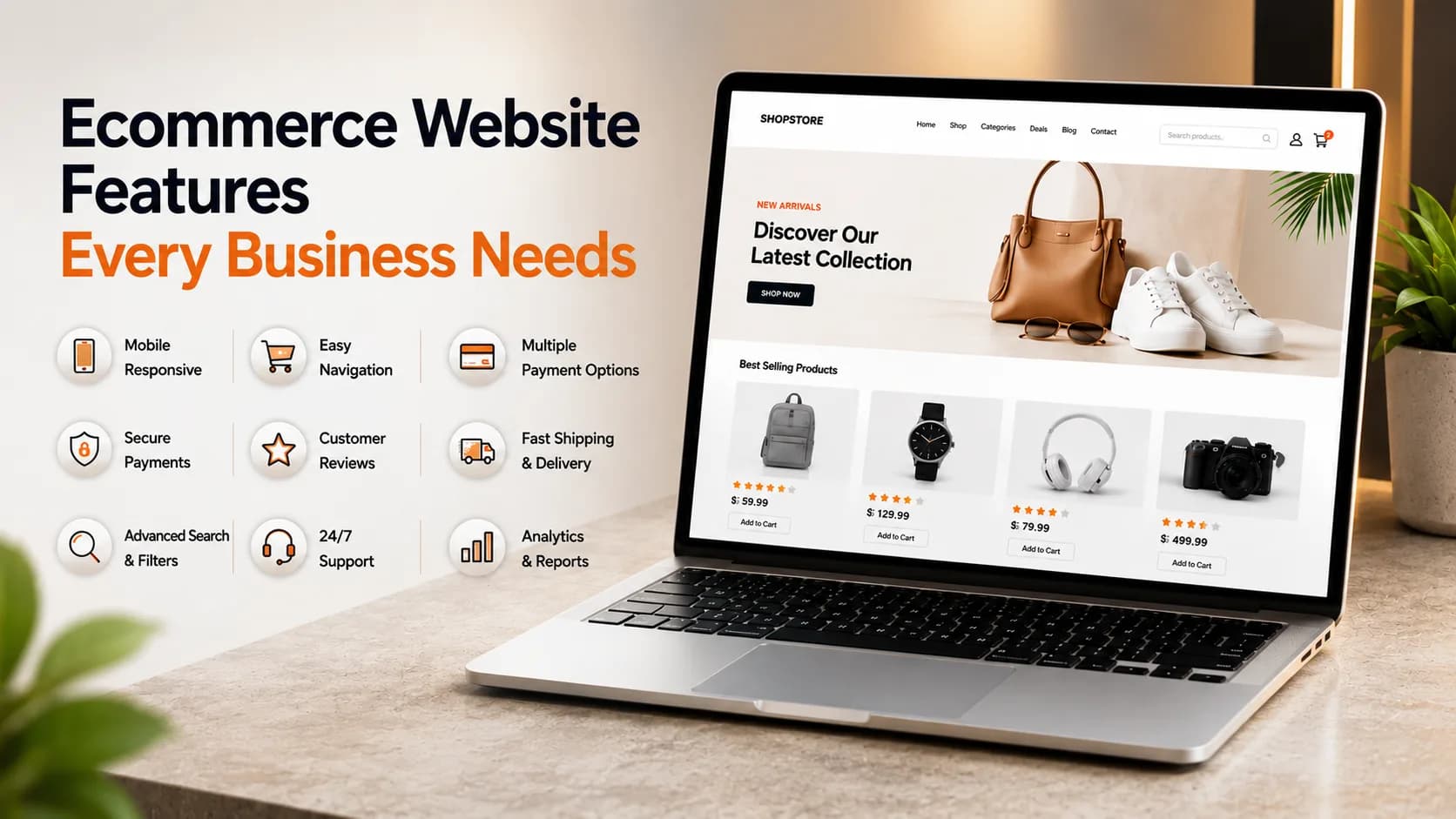
Want a more detailed checklist? Read Ecommerce Website Features Every Business Needs.
7. Bring Customers to Your Online Store
Once your ecommerce website is ready, people need to discover it.
Start with search engine optimisation (SEO), Instagram content, WhatsApp marketing, and paid advertising where your budget allows.
For SEO, create useful category pages, descriptive product titles, and helpful blog articles.
For example, an ethnic wear store could target searches such as “cotton kurtis for women” or “kurta sets for daily wear.”
Use Google Search Console to monitor search performance and Google Analytics to understand visitors and sales.
Our Advanced Ecommerce SEO Guide explains how online stores can improve organic visibility.
Remember, website traffic matters only when visitors can find what they need and purchase easily.
8. Follow This 30-Day Online Business Launch Plan
Instead of trying to complete everything at once, divide your launch into four weeks.
| Timeline | What to do |
| Week 1 | Choose products, research competitors, and identify customers |
| Week 2 | Finalise pricing, suppliers, and applicable registrations |
| Week 3 | Set up your ecommerce website, payments, shipping, and product listings |
| Week 4 | Test checkout, launch your store, and start marketing |
A custom website may require additional development time depending on your requirements.
After launching, track orders, customer feedback, marketing expenses, and product performance.
9. Avoid Common Ecommerce Business Mistakes
One common mistake is spending heavily on inventory before validating demand.
Another is launching a website with unclear shipping charges, poor product photographs, or a complicated checkout.
Customers may add products to their cart but leave without purchasing.
If you’re facing this issue, read Why Customers Add to Cart But Don’t Buy for practical ways to improve checkout and customer trust.
Focus on creating a shopping experience that makes purchasing simple.
Why Choose Siyahfy for Your Online Business?
Starting an online store should not require managing complicated technical systems every day.
Siyahfy helps businesses build custom ecommerce websites with fast storefronts, SEO-ready architecture, secure payment integrations, and an easy-to-manage backend.
Its current custom-store offering also highlights one-time build pricing without recurring platform subscription fees.
Whether you’re launching a new product business or moving an existing shop online, Siyahfy can help you build the online selling infrastructure you need.
Conclusion
Starting an online business in India becomes easier when you follow the right steps.
Choose products people want, understand your costs, build a reliable ecommerce website, and focus on delivering a good customer experience.
Your online store is where customers discover your products, trust your brand, and complete their purchases.
Planning to launch your own ecommerce website?
Frequently asked questions
Can I start an online business from home in India?
Yes. Many ecommerce businesses operate from home. You can manage products, orders, marketing, and customer enquiries online, subject to applicable legal requirements.
How much money is required to start an online store in India?
The cost depends on inventory, website development, packaging, and advertising. A small business can start with limited inventory and gradually expand as sales grow.
Do I need coding knowledge to create an ecommerce website?
No. Ecommerce website solutions such as Siyahfy allow business owners to manage products, inventory, orders, and content without writing code for everyday operations.
Which products can I sell online in India?
You can sell clothing, accessories, home decor, electronics, handmade products, and many other permitted goods. Some categories require additional regulatory compliance.
How do I get my first online sale?
Start with clear product listings, competitive pricing, trustworthy delivery information, and targeted marketing. Promote your store through Instagram, WhatsApp, Google Search, and relevant advertising channels.
Ready to build a store like this?
Book a free consultation and we'll map out a fast, custom ecommerce store built around your business.